
CIHS – Centre for Integrated and Holistic Studies

Date/Time:

India Stopped an ISIS-K Bio-Terror Plot the World Needs to Talk About

An ISIS-K bio-terror attack that could have killed over a hundred thousand people was just stopped in India. Why isn’t the world talking about it? Rahul PAWA In a world saturated with headlines of conflict and calamity, an extraordinary victory against terrorism has gone almost unnoticed beyond specialist circles. Indian authorities quietly dismantled a bio-terror plot so chilling in ambition that its success would have rewritten the story of global security. Just days ago, India’s Gujarat Anti-Terrorism Squad (ATS) dismantled an Islamic State Khorasan Province (ISIS-K) cell, the South Asian affiliate of the Islamic State preparing to unleash a mass biological terrorist attack. At its core lay ricin, a toxin so lethally efficient, one of the deadliest known toxins, derived from something as ordinary as the castor bean. It was a scheme as simple as it was monstrous, poisoning the essentials of life itself, and it was stopped just in time. Its story came to light with an arrest that barely drew notice. Acting on specific intelligence, Gujarat ATS arrested Dr Ahmed Mohiyuddin Saiyed, a China-educated MBBS graduate, in Ahmedabad for his links to ISIS-K. Investigators say he had been extracting ricin from castor oil, four litres of which were recovered from his possession and had already procured laboratory equipment and begun initial chemical processing when officers arrested him.  According to police sources, his plan was as insidious as it was horrific: to poison public drinking water supplies and even food (prasad) at Hindu temples, thereby silently killing masses of civilians. Officials estimate the plotters intended to kill “scores of people” and were aiming for catastrophic casualties. In worst-case scenarios, analysts have speculated that hundreds of thousands of lives might have been at risk, had a major water reservoir or a large temple gathering been successfully poisoned. The ambitious reach of this foiled plot underlines why it deserves far more international attention. This was not a lone wolf or a fringe fanatic acting in isolation; it appears to have been coordinated by ISIS-K, working through educated operatives. Dr. Saiyed’s handler, Abu Khadija, was an Afghanistan-based terrorist associated with ISIS-Khorasan, and he potentially arranged arms deliveries for the cell via drones crossing the Pakistan border. Saiyed did not act alone. Two other accomplices, 20-year-old Azad Suleman Sheikh and 23-year-old Mohammad Suhail from Uttar Pradesh, India’s northern state were arrested alongside him. These men had spent the last year conducting reconnaissance on potential targets across India, scoping out crowded public places where a poison attack could yield maximum chaos. Among the locations they surveilled were Asia’s largest wholesale produce market in Delhi (Azadpur Mandi), a bustling fruit market in Ahmedabad, and even the headquarters of RSS, a prominent social organisation in Lucknow. The chosen targets, places of food, water, community life, speak volumes about the terrorist’s cruel intent to strike at the very heart of ordinary society. By targeting temple prasad (food offered to Hindu devotees) and municipal water, they aimed to turn sustenance into a weapon. The depravity is chilling. Ricin itself is a nightmare agent. Tasteless and deadly, it is classified as a Category B bioterrorism agent under the Chemical Weapons Convention. A dose of a few milligrams can kill an adult if delivered effectively, and there is no antidote. Notably, ricin is not a typical weapon in the terrorist arsenal. it has surfaced mostly in fringe plots and isolated incidents (such as poisoned letters addressed to U.S. Presidents Barack Obama and Donald Trump in past years), but never before at this scale. The rarity of ricin attacks is partly why this plot is so alarming: intelligence agencies warn that ISIS and its affiliates have been actively discussing bio-terror tactics in encrypted chats, marking a strategic shift towards unconventional methods. In other words, the very fact that jihadist groups are exploring bioweapons is a worrisome evolution of terror. Unlike bombs or guns, a biological or chemical attack can sow panic far beyond the immediate victims. It contaminates the basic trust we place in our communal resources. As one counter-terror official noted, poisoning a city’s water or food supply would not only kill people but “wreak havoc in the minds of the people”, inflicting psychological trauma on society at large. Had the ricin plot succeeded, it could have easily been one of the deadliest terror attacks in modern history, a silent mass murder stretching over days or weeks as poisoning victims fell ill, and an entire populace plunged into fear. Thankfully, that nightmare never came to pass. Indian security forces acted on a tip and caught the plotters red-handed, seizing their cache of castor oil, weapons (including imported semi-automatic pistols), and digital evidence of their plans. The swift operation, coordinated by Gujarat ATS with central intelligence support, likely saved countless lives. It was, in effect, a major victory in the global fight against terrorism. Yet outside of India, this triumph registered barely a blip. Global media outlets that routinely headline terror incidents offered only cursory reports, if any, on India’s ricin plot bust. Why? One reason may be that success stories simply garner less attention, when disaster is prevented, there are no dramatic visuals of carnage to propel 24/7 news coverage. A bomb that didn’t go off is often a footnote, while a bomb that explodes is breaking news. This asymmetry in coverage creates a perverse situation where we pay more heed to terrorist violence than to vigilance that averts violence. There is also an uncomfortable truth about geographic bias. Had a quarter-million people in a Western city been in danger from a foiled bio-attack, one suspects it would dominate international headlines and talk shows. But when such a plot is foiled in India, it struggles to capture the world’s imagination. This is despite the fact that ISIS’s operations in South Asia are very much a global concern, the ISIS-K module behind the ricin plot has ties spanning Afghanistan and Pakistan, and reflects the same menace that threatens cities from London to New York. Indeed, an Indian investigation report recently

Read More
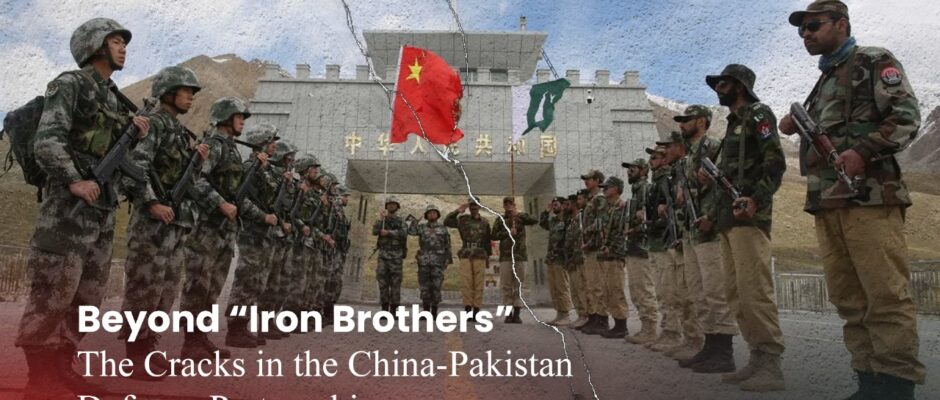
Beyond “Iron Brothers” - The Cracks in the China-Pakistan Defence Partnership

Beyond “Iron Brothers”: The Cracks in the China-Pakistan Defence Partnership

N. C. Bipindra Pakistan’s engagement with both Washington and Beijing raises concerns about its relationship with China. Despite claims of trust and shared interests, Pakistan’s foreign policy history reveals a consistent pattern of duplicity. This poses risks for China, affecting its security and technological dominance. Let us analyse Pakistan’s dual alignments, urging caution from Beijing regarding military technology transfers to Islamabad. Pakistan’s foreign policy traits, transactionalism, opportunism, and dependence on external allies, suggest a potential shift in technology flow from the U.S. to China in a new geopolitical landscape. Historical Patterns of Technology Transfers Pakistan has long capitalised on its geostrategic location to obtain military and economic concessions from major powers. During the Cold War, it accommodated CIA operations against the Soviets in Afghanistan and received sophisticated U.S. armaments; however, not all of it remained in Pakistani possession. Two instances are particularly noteworthy. In the 1990s, U.S. intelligence asserted that Pakistan transferred American-supplied Stinger missiles to China, a claim that Islamabad refuted. After the 2011 Abbottabad raid, The New York Times disclosed that Chinese engineers were permitted to examine the remnants of a downed U.S. stealth-modified Black Hawk helicopter. Although definitive evidence was lacking, U.S. officials referenced intercepted communications to substantiate the allegation. These occurrences, notwithstanding Pakistani refutations, solidified perceptions of duplicity. For Beijing, the implication is unequivocal: if Pakistan was unable to protect U.S. technologies, it cannot be entirely relied upon to safeguard Chinese ones. Pakistan’s Contemporary Balancing Act Today, Pakistan faces a transformed strategic environment. Following Operation Bunyaan-un-Marsoos and subsequent outreach efforts, Islamabad has sought to re-engage Washington, particularly to secure tariff concessions and financial relief amid severe economic strain. Simultaneously, it remains dependent on Beijing for military hardware, ranging from advanced weapons and sensors to drones. The private lunch hosted for Asim Munir at the White House on June 18, 2025, is not merely a ceremonial bonhomie. It is a fact that such courtesies are rarely extended without an eye on strategic dividends. It appears that, in an era where China has surged ahead of the U.S. in technologies like AI, 5G, and advanced manufacturing, Washington views Pakistan not merely as an old battlefield ally but as a potential conduit for intelligence, leverage, and Chinese tech transfer. Perhaps, for Washington, cultivating ties with Pakistan’s generals is about far more than courtesy. It offers a discreet channel for access, legitimacy, and potentially even Chinese technology. However, this balancing act carries profound risks for China. Sensitive Chinese systems, long assumed to be secure within the framework of an “all-weather” partnership, may become vulnerable to American scrutiny as Pakistan attempts to cultivate favor in Washington. What was once an unshakable partnership is beginning to look increasingly fragile, as Pakistan’s loyalties are often dictated not by long-term commitments but by immediate strategic and financial incentives. As former CIA officer Bruce Riedel has long observed, “Pakistani generals can be bought any time,” a reminder of how transactional and compromised the country’s military elite remain. Compounding this vulnerability is the conduct of Pakistan’s civil–military elite. Many former army chiefs, including Pervez Musharraf, Ashfaq Parvez Kayani, and Qamar Javed Bajwa, have relocated abroad or maintained significant overseas assets after retirement. Such behavior underscores an entrenched pattern of ethical and moral corruption: leaders prioritise personal enrichment and external safe havens over national development, leaving the public to suffer under chronic instability and economic decline. Case of the J-35 Stealth Fighter Pakistan’s reported withdrawal from a planned deal for 40 J-35 stealth fighters highlights these dynamics. Once poised to be the jet’s first foreign buyer, Islamabad later dismissed the reports, despite earlier claims of pilot training in China. Battlefield lessons from Operation Sindoor — where Chinese systems underperformed against India’s BrahMos and S-400 — fueled doubts about the untested J-35. Economic pressures, including IMF austerity and a stretched defence budget, further undermined the $5 billion deal. For Beijing, Pakistan’s reversal exposed the fragility of trust: a flagship transfer was abandoned in favor of renewed U.S. outreach, underscoring China’s vulnerability to Islamabad’s hedging. Hypersonic Missiles: China Draws a Line Another case highlighting Beijing’s caution is its reported rejection of Pakistan’s request for hypersonic missiles and related technology. Media reports suggest China refused both sales and tech transfers, fearing Islamabad’s growing outreach to the U.S. could expose sensitive systems. Unlike fighter jets or conventional missiles, hypersonic platforms like the DF-17 are central to China’s strategic deterrence and lack downgraded export versions, reflecting their sensitivity and immaturity. The denial underscores a key reality: even in an “all-weather” partnership, Beijing does not fully trust Pakistan with its most advanced technologies. Strategic Implications for China The implications of this dynamic for China are far-reaching. First, Pakistan represents both an asset and a liability for Beijing. It provides strategic depth in South Asia, a reliable arms market, and political support in international forums. Yet these benefits come at the cost of significant vulnerability: advanced Chinese systems risk exposure through Pakistani networks, intentionally or inadvertently, to Western intelligence. Second, the problem is structural rather than episodic. Pakistan’s foreign policy has long been characterised by transactionalism, with loyalty subordinated to immediate material gains. As Islamabad draws closer to Washington, Beijing must anticipate that Pakistan’s defence partnership could once again become a conduit for technological leakage, this time at China’s expense. Third, the nature of emerging technologies magnifies the risk. Whereas conventional hardware could be downgraded for export, dual-use and software-driven systems cannot be so easily restricted. For Beijing, the possibility of losing control over AI, cyber, or hypersonic technologies through Pakistan would represent a strategic disaster, undermining years of investment and eroding its position vis-à-vis the United States. In this sense, Pakistan’s growing closeness with Washington is about far more than counterterrorism cooperation or financial bailouts. It is “more than what meets the eye”: for the West, Pakistan provides a potential backdoor to scrutinize and even reverse-engineer Chinese technologies in domains like AI, quantum, and stealth areas where Beijing has made significant advances over the United States. Washington now views Beijing not merely as a rising

Read More
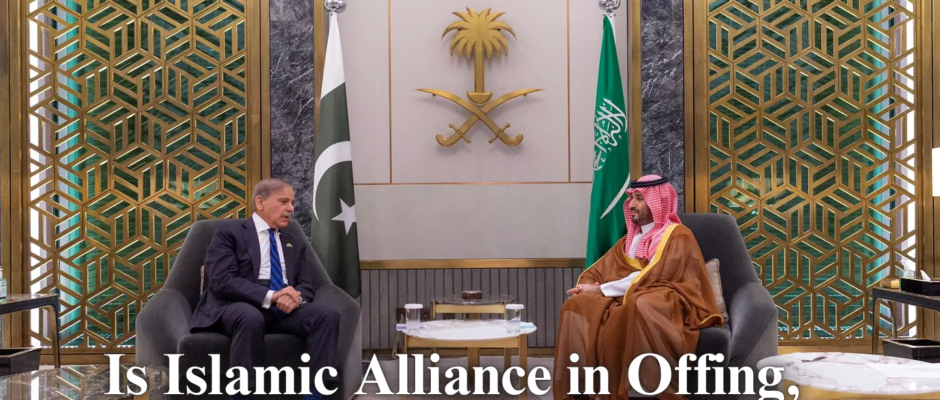
Is Islamic Alliance in offing, With Ambiguities

Is Islamic Alliance in Offing, With Ambiguities 

Only a true test, a moment of crisis, will reveal whether this new alliance is as ironclad as advertised, or more of a strategic signal than a binding shield. Rahul Pawa When Saudi Arabia and Pakistan signed a sweeping mutual defense agreement in Riyadh this month, it marked a strategic pivot. The agreement, termed a “Strategic Mutual Defence” agreement declares that an attack on one is an attack on both, echoing NATO’s famous Article 5 commitment. It’s an unprecedented pledge between the guardian of Islam’s holiest sites and the only Muslim nation armed with nuclear weapons. Yet behind the celebratory rhetoric, the agreement’s true scope and weight remain uncertain. A NATO-Style on paper, the agreement’s collective defense vow is explicit: “any aggression against either country shall be considered an aggression against both” Pakistan’s government said. In practice, much is left vague. Notably, the agreement is silent on whether Pakistan’s nuclear arsenal, the Islamic world’s only nukes is now at Saudi Arabia’s disposal. Pressed about a potential Pakistani “nuclear umbrella” for Riyadh, a senior Saudi official would only say the agreement “encompasses all military means”. This careful ambiguity hints at a broad commitment while stopping short of any explicit nuclear guarantee. Another grey area is the agreement’s status. Riyadh and Islamabad pointedly call it an “agreement” and not a treaty. By definition, though, any written inter-state accord intended to bind is a treaty under international law, regardless of its label. The absence of a published text and the flexible wording suggest the parties prefer some wiggle room. Saudi Arabia has pursued grand defense coalitions before like a 2015 pan-Islamic military alliance against terrorism that proved “more symbolic than operational”. This time, the language of collective defense is tied to plans for concrete cooperation (joint exercises, intelligence-sharing, arms training). Whether it matures into a robust alliance or remains largely aspirational will only be clear with time. The agreement’s timing is telling. It came days after a surprise Israeli airstrike in Doha, Qatar that killed Hamas figures and stunned the Gulf States. Qatar hosts a major US airbase, yet Washington did not prevent the strike, a jolt to regional confidence in American protection. Saudi Arabia, already uneasy about U.S. reliability, seized the moment to bolster its own security. Officially, Riyadh says the deal “institutionalises” long-standing cooperation rather than targeting any specific incident. Still, it unmistakably signals that the kingdom can seek safeguards beyond the U.S. umbrella. The agreement even revived talk of an “Islamic NATO.” Saudi Arabia binding itself to Pakistan, Islam’s spiritual heart partnering with its only nuclear-armed state is a powerful image. Observers speculate that other Muslim countries might one day align under a similar framework. Yet longstanding sectarian and political rifts (Sunni vs Shia, Arab vs non-Arab) have doomed past unity efforts. For now, the Riyadh-Islamabad agreement is as much a message to big powers as a foundation for any broader alliance. Perhaps the toughest diplomatic test for Riyadh is managing the agreement’s fallout in New Delhi. India has spent years cultivating Saudi Arabia as a partner, a top source of oil, investment and Islamic-world backing on contentious issues. A formal Saudi-Pakistani security link is exactly what India hoped to avoid. New Delhi “would not welcome an explicit security tether between its principal energy supplier and its strategic rival,” one analysis noted. In effect, the agreement edges Saudi Arabia closer to Pakistan, risking awkward strain in Saudi-India ties. Indian government reacted in measured tones, acknowledging the agreement  and saying it would “study the implications” for her security. The real worry in New Delhi is not that Saudi forces would fight on Pakistan’s side which remains far-fetched but that Pakistan will feel politically bolstered by Riyadh’s backing. Pakistani hardliners may adopt a tougher posture in future confrontations, believing a wealthy Arab power has their back. There’s also concern that Saudi aid or arms could flow to Pakistan over time, indirectly strengthening India’s longtime foe. Aware of these optics, Saudi officials have been quick to reassure India. One senior official stressed that Saudi’s relationship with India “is more robust than it has ever been” and vowed to keep deepening it. Riyadh clearly wants to show it can defend its interests with Pakistan without abandoning its friendship with India. Even so, the balancing act is delicate. New Delhi will likely respond by tightening its own strategic bonds, for instance, with Israel, a close defense partner – and by quietly urging Riyadh to stay neutral in South Asian issues. Much progress in India-Saudi relations has come in recent years, and both sides have incentives to prevent this new alignment from derailing that momentum. As the dust settles, the Saudi–Pakistan agreement stands as a bold statement, but one not yet tested by crisis. Its ripple effects are already evident. Israel, which had been inching toward a historic normalisation with Riyadh, now sees that prospect put on hold Washington, too, must grapple with a Gulf ally hedging its bets on security. Ultimately, the agreement’s significance will hinge on how seriously Riyadh and Islamabad implement it. Regular joint drills coordinated planning or clear mutual defense protocols could turn the promise into genuine deterrence. Absent that, skeptics may view it as more posturing than substance. History offers caution: Pakistan’s past defense agreement s (such as Cold War alliances with the U.S.) often fell short when real wars loomed, and Gulf unity schemes have tended to fragment under pressure. For now, Saudi Arabia has made a dramatic bid to diversify its security options, a gamble on Pakistan’s reliability and on charting a more independent course without alienating old partners. If the gamble succeeds, it could redraw the strategic map of the Middle East and South Asia. If it falters, it will remind everyone that even grand agreements can carry unspoken caveats. Only a true test, a moment of crisis will reveal whether this new alliance is as ironclad as advertised, or more of a strategic signal than a binding shield. (Rahul Pawa is director, research at New Delhi

Read More
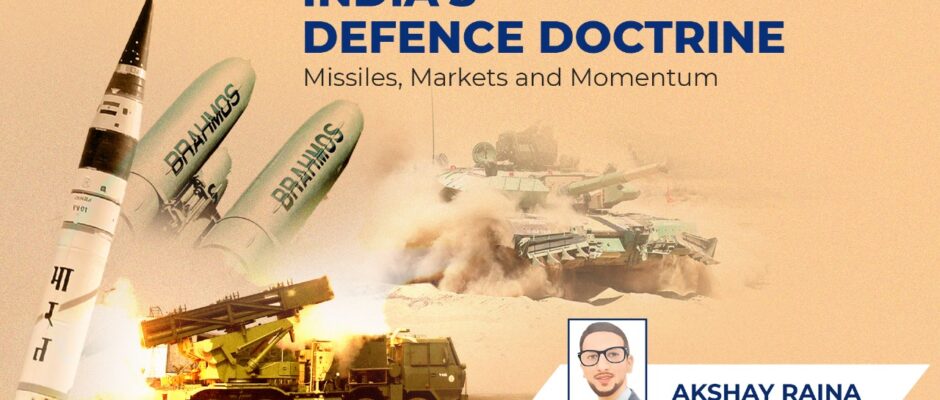
India's Defence Doctrine: Missiles, Markets, and Momentum

India’s Defence Doctrine: Missiles, Markets, and Momentum

India’s defence sector is undergoing a strategic renaissance evolving from self-reliance to global leadership as an exporter of cutting-edge, indigenous military technologies and a trusted partner in the international security architecture. Akshay Raina When it comes to national security, a country’s ability to rely on its own resources in times of conflict is crucial. For India, a rapidly growing global power with diverse security concerns, achieving self-reliance in defence production has become a top priority. This shift from dependency to self-sufficiency is no longer just a strategic aim; it’s a vital step toward safeguarding India’s defence needs while simultaneously strengthening its position in the global defence market. The country’s focus on enhancing indigenous defence production, through initiatives like Make in India, has completely transformed the landscape of defence manufacturing. In recent years, India has dramatically reduced its dependence on foreign imports, thanks to forward-thinking policies, increased collaboration between government agencies and private industries, and a strong emphasis on developing homegrown defence technologies. These efforts have also contributed to a significant rise in defence exports, signalling India’s emerging role as a major global defence producer and exporter. From Import Dependency to Self-Reliance India has historically been one of the world’s largest importers of defence equipment. However, this trend is rapidly changing. The introduction of the Defence Acquisition Procedure (DAP) 2020 by the Ministry of Defence was a pivotal move in this transformation. The DAP focuses on promoting the indigenization of defence production, strengthening India’s military capabilities and reducing the country’s reliance on foreign suppliers for key military hardware. A key aspect of this procedure has been the development of indigenization lists, alongside fostering innovation from domestic startups and MSMEs (Micro, Small, and Medium Enterprises), which are now integral to India’s defence ecosystem. The government’s investment in defence corridors and its efforts to promote collaboration between public sector undertakings (PSUs) and private entities have further accelerated this progress. Moreover, the relaxation of Foreign Direct Investment (FDI) limits in defence has encouraged global defence companies to establish manufacturing hubs in India, helping to fuel the growth of the domestic defence industry. Milestones in Indigenous Defence Production India’s move toward self-sufficiency in defence is marked by significant technological advancements and strategic achievements. India’s capabilities in defence manufacturing are no longer limited to just assembling products; the country is now designing and producing world-class technologies for its defence needs. Some of India’s notable indigenous defence products include: These products, alongside ongoing advancements in electronic warfare, radar technologies, and advanced fighter jets, exemplify India’s growing capability to design, develop and produce defence technologies to meet its strategic needs. With sustained investments in research and development, India is poised to reduce its dependence on foreign defence imports even further. India’s Expanding Defence Export Market India’s increasing self-reliance in defence is not only reducing the country’s dependence on imports but is also positioning India as a significant player in the global defence export market. Over 100 countries now purchase defence products from India, including helicopters, naval vessels, missiles, armored vehicles and aircraft. The rise in defence exports is largely attributed to the government’s focus on high-quality manufacturing, innovative technologies and streamlining the defence procurement process. Key achievements in India’s defence exports include: For instance, as per recent reports, India supplied over $250 million worth of Pinaka multi-barrel rocket launchers, anti-tank munitions and other ammunition to Armenia in 2022. India has also exported naval platforms and torpedoes to Mauritius, Myanmar, Sri Lanka and Vietnam and military trucks to Thailand. Additionally, Tata 8×8 LPTA trucks, based on the Tata 1623 platform, are being exported to the Royal Moroccan Army, marking another achievement in India’s defence exports. Future of India’s Defence Exports India’s defence exports are on an upward trajectory. As the country enhances its defence production capabilities, its growing export footprint positions India as a trusted supplier of affordable, high-quality defence products. The government’s ambitious target of reaching ₹50,000 crore in defence exports by 2029 reflects India’s determination to become a global leader in defence manufacturing. This rise in exports is not just about economics—it’s also about strengthening India’s strategic alliances globally. Deals with countries like the UAE, Armenia and Myanmar reflect India’s growing influence and the trust placed in its defence capabilities. By providing cutting-edge defence solutions at competitive prices, India is offering an alternative to traditional Western and Russian defence suppliers, which only further solidifies the country’s position in the global defence market. India’s Strategic Vision for Global Defence Leadership India’s defence sector has undergone a remarkable transformation over the past decade. Once one of the world’s largest importers of defence equipment, India is now rapidly becoming a top producer and exporter of world-class defence technologies. The government’s support for indigenous defence production, increased foreign investments and strategic initiatives like the Defence Acquisition Procedure (DAP) 2020 have paved the way for India to become self-reliant in defence production. India’s defence exports have surged significantly, from ₹686 crore in 2014-15 to ₹21,083 crore in 2023-24. With cutting-edge products like BrahMos, Pinaka and Tata 8×8 trucks, India is providing high-quality, reliable, and affordable defence solutions to the world. The country’s goal of achieving ₹50,000 crore in defence exports by 2029 is a clear indicator of India’s growing influence on the global defence stage. As the geopolitical landscape evolves, India’s role as a trusted defence partner and manufacturing leader will continue to grow, securing both its own defence needs and its position as a global strategic power. By prioritizing self-reliance, innovation and global partnerships, India is not just preparing for its future defence requirements but is also positioning itself as a leader in the global defence market. (Author is a seasoned media professional, content strategist and news analyst)

Read More
Hindus in Bangladesh Face Existential Threat

Hindus in Bangladesh Face Existential Threat

CIHS, UN reports meticulously documented atrocities against minorities while Yunus government is on denial mode. Pummy M Pandita Centre for Integrated and Holistic Studies (CIHS) had in August 2024 released a report titled “Hindu Genocide Unfolding in Bangladesh,” detailing systematic persecution of Hindus in that country. The report highlighted how minorities and in particular Hindus suffered oppression, forced conversions and violent attacks since partition of India in 1947. With the Hindu population dwindling from nearly 30 per cent in 1947 to less than 8 per cent today, the report documented the ” … ongoing ethnic cleansing.” CIHS report findings are further corroborated by United Nations Human Rights (UNHR) Office which released its own scathing report on the persecution of Hindus in Bangladesh. UN report reinforces the notion of targeted violence, displacement and systemic discrimination against Hindus, echoing concerns previously voiced by CIHS. The two reports underscore severity of crisis and the urgent need for international action. US Director of National Intelligence Tulsi Gabbard, in an interview, stated, “The long-time unfortunate persecution, killing, and abuse of religious minorities—Hindus, Buddhists, Christians, Catholics, and others—have been a major area of concern for the United States government and, of course, President Trump and his administration”. Bangladeshi however was unmoved and went on a denial mode. As per media reports, Chief Adviser’s press wing of Bangladesh’s interim government stated, “Bangladesh as a nation traditionally practices Islam that is famously inclusive and peaceful and it has made remarkable strides in its fight against extremism and terrorism.” Such response starkly contrasts the reality documented in both CIHS and UNHR reports. UNHR observations highlight a harsh reality: a systematic record of violence, displacement and persecution against a religious minority group in a state that takes pride in pluralism. This report is presented against the backdrop when rising extremism in South Asia is drawing international attention to the region and makes it acutely necessary that the situation must be evaluated factually with recourse to historical reality. Some specific incidents highlighted in the report are torching of three temples and the looting of about 20 houses in Burashardubi, Hatibandha and Lalmonirhat. UN report identifies these attacks to factors like religious and ethnic discrimination, targeted attacks on supposed supporters of former Awami League government among minorities, local communal land disputes, and personal conflicts. It also mentions involvement of some members and supporters of Jamaat-e-Islami and Bangladesh Nationalist Party (BNP) in perpetuating violence. Even after initial denials, Bangladesh’s interim caretaker government admitted at least 88 incidents of violence against minorities, predominantly Hindus, after August 2024. These happenings have raised significant concerns both within the country and globally, emphasizing urgent need for effective measures to protect minority communities in Bangladesh. Bangladesh has witnessed a considerable increase in widespread violence erupted following the ousting of former Prime Minister Sheikh Hasina in August 2024, disproportionately affecting Hindu minorities.  UN report documents that Hindu homes, businesses and temples were targeted on a systematic basis particularly in rural and historically tense areas. Some of the notable incidents include: Violence was not limited to these districts only. Other districts viz., Feni, Patuakhali, and Moulvibazar, also reported heinous crimes such as arson attacks on temples and brutal murder of Hindu individuals. These assaults, involving property destruction, arson and direct physical threats often exacerbated by inadequate police response suggest institutional impunity and perhaps political motivations.  UN Report states that there are several Bangladeshi localities which have emerged as hotspots of anti-Hindu attacks. The incidents recorded in report: The report documents these attacks with descriptions of victims, as verified by independent human rights groups. It is disturbing to record that police responses have been tardy or ineffective, permitting perpetrators to operate with impunity. The magnitude of the atrocities is appalling. UN report puts the number of deaths during the protests and violence that followed between July 1 and August 15, 2024, at an estimated 1,400. The overwhelming majority of these were caused by actions of Bangladesh’s security forces, who were accused of gross human rights abuses, including summary killings and shooting unarmed protesters. Children comprised around 12 – 13 per cent of these victims. Violence in Bangladesh mid-last year (2024) is not a lone phenomenon. The Hindu population in Bangladesh has been progressively dwindling due to amalgamation of targeted violence, legal discrimination and systemic exclusion. According to census 2022 data, Bangladesh’s population was 165,191,648 with percentage breakup detailed below: Religion Population Per cent breakdown Muslims 150,360,406 91.04 Hindus    13,130,109 07.95 Buddhists      1,007,468 0.61 Christians          495,475 0.30 Others          198,190  0.12 The reason for this decline is threefold—state indifference, mob violence and land grabs through Vested Property Act which has traditionally allowed seizure of Hindu-held property on various pretexts. Sheikh Hasina-led Awami League government in Bangladesh had presented itself as secular. The state’s inability to intervene strongly against perpetrators of violence against Hindus creates disquieting doubts about its commitment to protecting minorities. Though there have been some arrests after occurrence of violence, conviction is an exception and political convenience becomes the rule. The growing power of Islamist parties such as Hefazat-e-Islam has further intensified the issue as political parties are reluctant to act decisively against extremists for fear of electoral retribution. One of the worrying features brought out by UNHR report is the failure of law enforcement agencies to act. In spite of large-scale nature of the attacks, there was an overwhelming failure to intervene to save Hindu communities. This institutionalized impunity has encouraged perpetrators to continue perpetrating violence against minorities in a cycle of repetition. UN report also incriminates the former government and its security establishment for planning a calculated and well-coordinated effort to quell dissent. This included hundreds of extrajudicial executions, arbitrary arrests, detentions and cases of torture. These acts were said to have been committed with awareness and coordination of political leadership and top security officials, possibly constituting crimes against humanity. Global community has raised severe concerns regarding the developments. UN High Commissioner for Human Rights, Volker Türk, has demanded serious probes into all deaths

Read More
China Extends to Tasman Sea

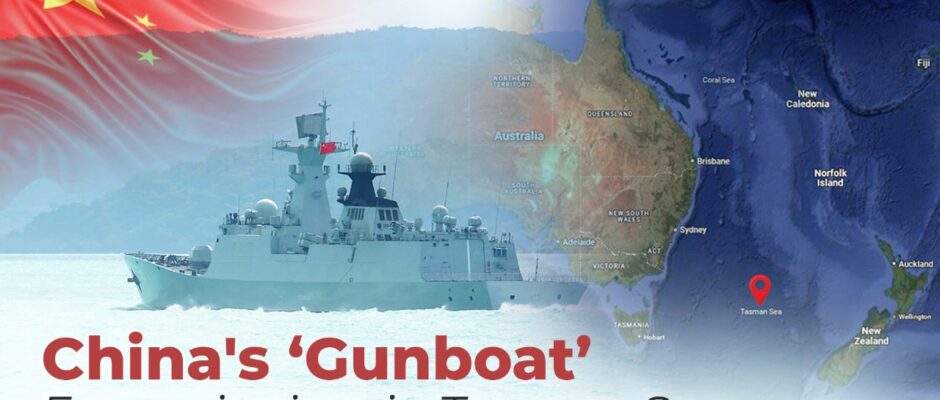
China’s ‘Gunboat’ Expansionism in Tasman Sea

PLA Navy seeks to expand Chinese Communist control beyond traditional Indo-Pacific areas and change power dynamics vis-à-vis Australia, New Zealand and their Western allies. Ayadoure Stalin China’s recent naval activities in Tasman Sea have caught the attention of many across Indo-Pacific. This unusual move by People’s Liberation Army (PLA) marks a significant display of naval strength, indicating Beijing’s strategic aim to disrupt current balance of power in the region. Considering Tasman Sea’s closeness to Australia and New Zealand countries that have traditionally held sway in South Pacific China’s actions imply a broader geopolitical strategy that could alter security landscape in the area. Tasman Sea has traditionally remained outside China’s naval exercises domain making this recent manoeuvre an unusual and deliberate display of force. PLA Navy’s growing presence in these waters marks a departure from its conventional areas of military operations, primarily concentrated in South China Sea, East China Sea and Taiwan Straits. This geographic shift indicates Beijing’s desire to expand its operational reach into broader Indo-Pacific, demonstrating its ability to project power beyond its immediate maritime periphery which in itself is controversial and expansionist. China’s decision to operate in this region should not be viewed in isolation but as part of its broader maritime strategy which seeks to counter Western presence in the Pacific. While official Chinese statements may downplay significance of these drills, the message to Australia, New Zealand and their allies is apparent: China will assert its presence in waters traditionally dominated by Western powers. Western presence in South Pacific Tasman Sea has typically been outside the realm of China’s naval exercises, making this recent manoeuvre a notable and intentional show of strength. PLA Navy’s increasing activity in these waters departs from its usual military operations which are mainly focused on South China Sea, East China Sea, and Taiwan Straits. This shift suggests that Beijing aims to expand its operational reach into wider Indo-Pacific showcasing ‘communist military strength’ beyond its immediate accepted maritime boundaries. China’s choice to engage in this region should be considered part of its larger maritime strategy which aims to counter Western influence in the Pacific. Although official Chinese statements may downplay the importance of these drills, the message to Australia, New Zealand, and their allies is clear: China is prepared and capable of asserting its presence in waters that have traditionally been under Western control. Provocative Display of Power China’s naval expansion in Tasman Sea is more expansionist as part of a larger plan of President Xi Jingping to alter regional security landscape. Deployment of Chinese warships in this unexpected area goes beyond a simple military exercise; it represents a calculated display of power that fulfils several strategic goals. Firstly, it tests responses of Australia and New Zealand assessing their speed and effectiveness in addressing perceived threats nearby. This gives China insight into Western regional allies’ military readiness and strategic collaboration. Secondly, it conveys a strong message to smaller Pacific nations that China was the ‘big brother’ capable of wielding diplomatic and military influence in their waters. China’s activities in Tasman Sea might not be limited to mere displays of strength. Violation of territorial waters treaties, coercive actions and other aggressive manoeuvres cannot be ignored. Given China’s history of using its naval power for intimidation such as island-building in the South China Sea or conducting military drills near Taiwan these concerns are valid. Shadow of Gunboat Diplomacy China’s naval activities in Tasman Sea reflect its Gunboat Diplomacy, a tactic historically used by it to exert influence through naval presence. This strategy has been apparent in Beijing’s approach to territorial disputes in South China Sea, its assertive stance in Taiwan Straits and its growing resistance to US Pacific Command operations.  China aims to bolster its claims over Indo Pacific waters by employing Gunboat Diplomacy, intimidate rivals and deter outside interventions. Deployment of PLA Navy assets in Tasman Sea extends this strategy, signalling Australia, New Zealand and their allies that western powers may not be able to negate China’s influence in wider Indo-Pacific region. China is contesting supremacy of US Pacific Command. Historically, Washington has maintained a robust naval presence in Indo-Pacific to counterbalance China’s expanding military reach. However, Beijing’s ability to conduct operations far from its shores indicates a growing desire to quickly expand its arc of influence thereby challenge U.S.-led regional security frameworks. Implications for the Indo-Pacific PLA presence in Tasman Sea raises important questions about the future of regional security and strategic balance in the Indo-Pacific. Australia, New Zealand and their allies will likely see China’s actions as a wake-up call, leading to discussions on effectively counterbalancing Beijing’s increasing military assertiveness. Several potential responses could arise: First, strengthening regional alliances Australia and New Zealand may look to enhance their defence cooperation with like-minded partners including US, Japan, and India through frameworks like Quad and AUKUS. Secondly, enhancing maritime surveillance both nations might prioritize increased investments in maritime domain awareness capabilities to monitor Chinese naval activities better. Thirdly, diplomatic pushback Canberra and Wellington could use diplomatic channels to garner support from Pacific island nations, ensuring they do not fall under China’s influence. Fourthly, increased military preparedness expect to see greater defence spending and military exercises aimed at showcasing regional resolve against possible Chinese encroachments. China’s recent activities inTasman Sea are not likely to be a one-off event. Instead, they indicate a more significant shift in Beijing’s military strategy one aimed at challenging the current security framework in the South Pacific. Through economic pressure, diplomatic initiatives and increased naval presence, China is gradually working to reshape the Indo-Pacific to its advantage. China’s PLA navy operations in Tasman Sea represent a notable shift from its usual military focus indicating a bold move into waters traditionally under Western control. (Author is an UGC Junior Research Fellow at Centre for Indo Pacific Studies, School of International Studies, Jawaharlal Nehru University, New Delhi)China Extends to Tasman Sea

Read More
The Polis Project Exposed - A Web of Bias, Misinformation, and Deception

The Polis Project Exposed: A Web of Bias, Misinformation, and Deception

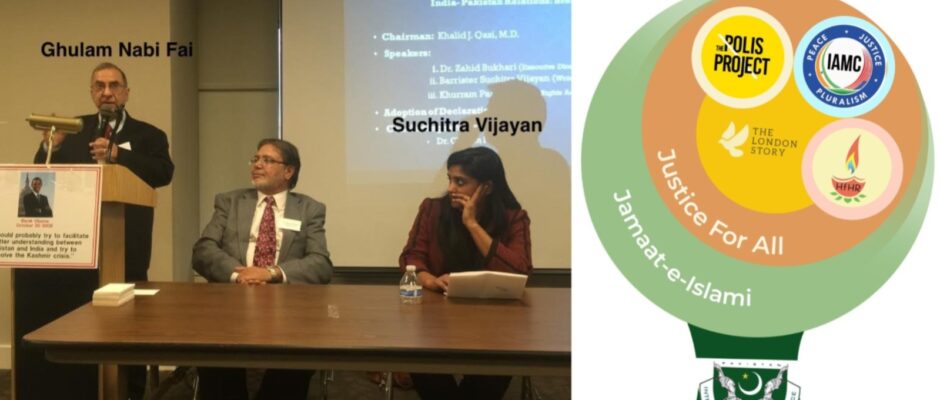
Rohan Giri The Polis Project bills itself as a journalism and research group, but its activities betray a much darker purpose. Instead of being an impartial organisation dedicated to the truth, it routinely targets Hindu organisations and India, spreading misleading information while omitting the realities of religious persecution and intricate geopolitics. Under its cover of human rights, it serves as a platform for anti-India propaganda, twisting the truth and influencing opinions around the world to support its political agenda. Another illustration of The Polis Project’s continuous effort to discredit Hindu organisations and harm India’s reputation abroad is the recent propaganda report it released titled “Transnational Funding in Hindu Supremacist Movements”. This purported report is a politically driven attempt to paint Hindu institutions as extremist fronts rather than an unbiased analysis of financial networks.  With an aim to provide the impression that there is an organised supremacist movement, where none actually exists, the paper has selectively omitted important information, using inflammatory language, and cherry-picking statistics. It vilifies organisations involved in humanitarian, educational, and cultural preservation efforts while willfully ignoring the actual threats posed by radical groups operating in South Asia and abroad. There is a certain pattern to the Polis Project’s operations. While ignoring grave human rights abuses in other regions of the world, it unfairly criticises India. Its obsession to depict the current Indian government as authoritarian, using hyperbolic phrases like “genocide” and “fascism”, is to stir up indignation and sway global opinion. By creating a biased narrative that ignores the complexity of religious conflicts and communal tensions in India, their reporting on sociopolitical events distorts reality. While ignoring the persecution of Hindus in Bangladesh, Pakistan, and Kashmir, it creates the impression that India is an oppressive state by publicising certain occurrences and interpreting them with a preconceived ideological framework. Deep state funding, particularly those supported by George Soros, is the source of the Polis Project rather than an independent organisation. Its creator, Suchitra Vijayan, has a history of endorsing radical groups while posing as an activist. A cursory glance at her social media activity shows that she publicly supports people who have been charged with inciting violence, such as Umar Khalid, who was detained for his role in the Delhi riots. She also offered assistance to Irfan Mehraj, a “journalist,” who was detained in connection with a terror financing investigation in 2023. Mehraj was identified by the National Investigation Agency (NIA) as a close associate of Khurram Parvez, a well-known anti-Indian activist and a prominent member of the Jammu and Kashmir Coalition of Civil Societies (JKCCS), a group connected to dubious financial dealings that aid separatist elements. The Polis Project’s operating structure further demonstrates foreign influence over it. As per Disinfo Lab’s claim, the administrator of its Facebook page is headquartered in Pakistan, which raises severe questions regarding its legitimacy and motivation. Although its propaganda efforts are focused on India, its digital presence indicates external management, raising the prospect of planned influence tactics aimed against India’s stability. This aligns with broader international efforts to amplify divisive narratives against the country. Even outside of its digital activities, The Polis Project has close connections to groups that have openly supported separatist and Islamist causes. The Indian American Muslim Council (IAMC), an organisation well-known for advocating against India on global forums, regularly features in its events. Despite IAMC’s acknowledged affiliations with extremist organisations, The Polis Project finds common ground with them, confirming that it is far from being an unbiased research organisation. Its unclear funding structure is another issue. The Polis Project says it is transparent, although it hasn’t given a detailed account of where its funding comes from. Its closed financial sources raise serious concerns, and as a nonprofit organisation with headquarters in the United States, it is nevertheless vulnerable to outside interference. Who provides the funding for it? What outside parties gain from its persistent anti-Indian propaganda campaign? The ambiguity surrounding these issues suggests a conscious attempt to hide the foreign entities that might be controlling its operations. Besides targeting Hindus in India, The Polis Project has also reached out to the Hindu diaspora around the world. It attempts to damage the standing of charitable endeavours carried out by Hindu communities around the world by unjustly associating Hindu cultural organisations and charities with a purported supremacist purpose. Claims that organisations like Sewa International, Ekal Vidyalaya Foundation, and Hindu Swayamsevak Sangh are political fronts are unfounded, despite the fact that they have played important roles in social service, education, and disaster relief. Discrediting the Hindu diaspora and stifling its contributions to social advancement are deliberate goals. The Polis Project’s utter silence over the religious persecution of Hindus is another example of its duplicity. It vigorously promotes stories of state-led persecution of minorities in India, but it ignores the violent attacks on Hindu communities around the world, the systematic discrimination and persecution of Hindus in Bangladesh and Pakistan, and ethnic cleansing in Kashmir. Its selective activism reveals its lack of sincere support for human rights and demonstrates that its goals are not to promote justice but to pursue a political agenda. India’s sovereignty is being undermined globally by The Polis Project, who continuously depicts India as an authoritarian state. It is in line with larger efforts to destabilise India as it presents internal policies as dictatorial, supports separatist language, and purposefully leaves out important background information. This cannot merely be the result of a journalistic error, but a well calculated move to damage India’s reputation internationally. In an effort to undermine India’s position as a rising global force and sow internal strife, it manipulates narratives for the benefit of outside interests. With a blatant ideological agenda, the Polis Project is not an impartial monitor. Its biased narratives, foreign affiliations, selective activism, and untransparent funding make it clear that it is an anti-India propaganda tool. It is crucial to refute its misinformation with factual arguments and stop its lies from becoming widely accepted in global discourse. Organisations with a stake in dividing

Read More
USAID Shady Agenda Exposed

USAID Shady Agenda Exposed

Foreign influence peddling is not new to India. From colonial trade networks to modern soft power strategies, external forces have long sought to shape the nation’s socio-political landscape. In the present era, dominance is not limited to dominance through military strength but exercised via economic dependencies, cultural narratives and policy interventions to try and subjugate communities to slavery of ultra-modern variety. In Indian context, foreign influence is often orchestrated through a meticulously structured network of private corporations, non-governmental organizations (NGOs), think tanks and academic institutions with funding streams strategically directed to shape public discourse and policy formulation. And, in most cases, it’s an operation of the deep state. At the heart of this intricate web, the common patron is United States Agency for International Development (USAID).

Read More
Aero India 2025: India’s Rising Power in the Global Aerospace Landscape

Aero India 2025: India’s Rising Power in the Global Aerospace Landscape

Akshay Raina India’s aerospace and defence sector has been rapidly evolving, reflecting the nation’s growing commitment to self-reliance, technological innovation and its aspiration to become a global leader in defence and aerospace technologies. This commitment  found its most visible expression in Aero India, the largest aerospace exhibition in Asia, which  was held in Bengaluru from February 10–14, 2025. With the theme “The Runway to a Billion Opportunities,” Aero India 2025 is set to demonstrate India’s prowess in airpower and cutting-edge aerospace technologies, while positioning the country as a key player in the global airspace race. As the global aerospace sector becomes increasingly competitive, India’s emerging leadership is not just crucial for national security but also for its growing geopolitical influence and economic growth. Significance of Aero India 2025 Aero India 2025 is not just another air show; it is a symbol of India’s transformation into a global aerospace powerhouse. For more than two decades, the event has served as a platform for technological exchanges, strategic dialogues, and international collaborations. It has enabled India to showcase its military and civilian aerospace innovations, while also fostering critical business and defence partnerships. With participants from over 50 countries, the 15th edition of Aero India is shaping up to be a historic event, one that aligns with India’s vision of becoming self-reliant in defence and aerospace sectors. In a world where air superiority is a crucial determinant of national security, the significance of Aero India cannot be overstated. The event is a reflection of India’s growing airpower capabilities and the nation’s ambition to innovate, manufacture, and deliver aerospace systems that are at par with the best in the world. It brings together industry leaders, policymakers and experts to discuss the current state and future of aerospace technologies, highlighting India’s increasing contribution to shaping the global airspace race. The Global Aerospace Race: India’s Position The global aerospace race has intensified in recent years, driven by rapid advancements in both military and civilian aviation. Major aerospace powers such as the United States, Russia, China, and the European Union have long dominated the field, but India is steadily making its mark. Aero India 2025 stands as proof of India’s determination to close the gap and become a dominant force in aerospace technology. India’s indigenous aircraft and defence systems—such as the HAL Tejas fighter jet, the indigenously developed drone systems, and advancements in satellite and space technologies—are now being recognized globally for their innovation and reliability. The presence of global aerospace giants, including Lockheed Martin, Boeing, Airbus, and Dassault Aviation, at Aero India 2025 further demonstrates India’s emerging status as a centre for cutting-edge aerospace technology. At the same time, India’s own aerospace industries, led by private and public sector enterprises such as Hindustan Aeronautics Limited (HAL), Bharat Electronics Limited (BEL), and several dynamic start-ups, are making remarkable strides in indigenization and innovation. The government’s “Make in India” and “Aatmanirbhar Bharat” initiatives are providing the necessary framework to boost local manufacturing and innovation in defence technologies, helping India reduce its dependence on foreign imports. The theme of Aero India 2025, “The Runway to a Billion Opportunities,” encapsulates the tremendous potential for India to transform into a hub for defence manufacturing and aerospace technologies. This transformation is not just about boosting national security but also creating economic opportunities and forging international partnerships that will benefit India in the long run. Technological Innovation and Strategic Collaboration One of the core highlights of Aero India 2025 is the event’s ability to showcase the latest advancements in aerospace and defence technologies. The event features a range of exhibits, from advanced fighter jets and unmanned aerial vehicles (UAVs) to futuristic space exploration technologies. Live air shows, dynamic aerobatic displays and technology demonstrations will allow attendees to witness the capabilities of modern aircraft, as well as the innovative platforms and solutions being developed in India. These exhibitions are an essential part of demonstrating India’s self-reliance in aerospace and defence. But Aero India is not just a display of technological prowess; it is also a key platform for strategic dialogues. The Defence Ministers’ Conclave participated by more than 162 delegates from 81 countries at the event, themed ‘BRIDGE – Building Resilience through International Defence and Global Engagement,’ serves as an important forum for enhancing India’s diplomatic ties with friendly nations. As the world’s geopolitical landscape becomes increasingly uncertain, stronger collaborations among like-minded countries in defence and aerospace are crucial. Aero India 2025 provides a platform to discuss these strategic partnerships, making it an essential venue for fostering trust, cooperation and mutual growth. The CEOs’ Round-Table, where participation includes from officials, delegates and global CEOs from 26 countries including global investors such as Boeing, Lockheed, Israel Aerospace , Industries, General Atomics, Liebherr Group, Raytheon Technologies, Safran, and General Authority of Military Industries (GAMI), which brings together global and domestic aerospace leaders, plays an instrumental role in advancing this vision of collaboration. The participation of foreign Original Equipment Manufacturers (OEMs) in India’s defence and aerospace sector will be pivotal in bolstering the country’s manufacturing capabilities and facilitating technology transfer. The event provides an opportunity to form business-to-business (B2B) and business-to-government (B2G) partnerships that can enhance India’s position in the global aerospace sector. India’s standing as a major hub for global production was set with solidified record-breaking defence and aerospace agreements at the recently concluded Aero India 2025 at Bangalore. Agreements between Dassault Aviation and Hindustan Aeronautics Limited (HAL) for the production of the Rafale-M were key partnerships besides Safran’s jet engine business venture. Lockheed Martin landed contracts for the expansion of the F-21 and C-130J, while Boeing strengthened its alliance with Tata Advanced Systems for fighter aircraft components. Edge Group’s drone development and MRO partnerships have enhanced India-UAE aerospace cooperation. DRDO inked Memorandums of Understanding with startups for AI-driven and hypersonic weapon technology, while Adani Defence collaborated on UAVs with Israel’s Elbit Systems. Increased funding accelerated the AMCA program, while Indo-Russian negotiations centered on Su-57 production. Rolls-Royce collaborated with Indian companies on sustainable aircraft fuel and

Read More
USAID in India - A Subversive Influence

USAID in India: A Subversive Influence

The United States Agency for International Development (USAID) was established in 1961 during the Cold War, ostensibly to provide humanitarian aid and foster economic development. However, over the decades, it has evolved into a tool of American geopolitical manoeuvring, often acting against the very interests of the nations it claims to help. While USAID publicly promotes democracy, economic growth, and stability, its interventions have repeatedly served as instruments of subversion, funding extremist organizations, undermining local governance structures, and advancing ideologically driven agendas that disrupt sovereign nations. While USAID has worked extensively with national governments to implement development programs, it has often bypassed official state mechanisms, choosing instead to fund non-governmental organizations (NGOs) that operate with limited oversight. This approach has created parallel administrative structures, leading to dependency and weakened governance in several countries. Governments in Asia, Africa, and Latin America have repeatedly raised concerns over USAID’s influence, with some nations outright expelling the agency due to allegations of political interference and covert destabilization efforts.

Read More
  • 1
  • 2